
PROTECTING YOUR NEW HIP IN THE FIRST 6 WEEKS…
Do’s & don’ts after Hip Replacement Surgery
For the first six weeks after surgery, your hip joint is at its most vulnerable. Following Tony’s instructions will reduce the risk of dislocation and help you recover safely.

ACTIVITIES TO AVOID
For the first 6 weeks after surgery, Tony asks you to avoid:
Driving
Heavy lifting (more than 5 kg)
Heavy house or yard work (vacuuming, lawn mowing, scrubbing)
Cycling (an exercycle is fine)
Tying shoelaces or putting on socks without aids
Walking on soft sand
Tony recommends waiting 3 months before returning to golf.
Important: Before recommencing any sporting or recreational activities, please discuss your return with Tony at your 4–6 week check‑up.

MOVEMENTS TO AVOID
BENDING
Don’t bring your thigh closer than a right angle (90°) to your body.
Avoid reaching further than just below your knees.
When seated, don’t lean too far forward.
Use your “helping hand” or reacher to pick up objects.
Avoid sitting on low chairs, low beds, or low toilets.
Do not squat.
CROSSING THE MIDLINE
Don’t move your operated leg across the centre of your body.
Never cross your legs.
Always keep a pillow between your legs when lying in bed.
Get out of bed on the side of your operation.
Avoid lying on your operated side.
You may rest on your non‑operated side with two pillows between your legs—Tony or your physiotherapist will show you how to do this safely.

TWISTING
Don’t twist or swivel on your operated leg.
Take care when turning while standing or sitting.
Avoid twisting at the waist—it puts strain on your hip.
Always sit or stand with your feet pointing straight ahead.

BENDING
Don’t bring your thigh closer than a right angle (90°) to your body.
Avoid reaching further than just below your knees.
When seated, don’t lean too far forward.
Use your “helping hand” or reacher to pick up objects.
Avoid sitting on low chairs, low beds, or low toilets.
Do not squat.
CROSSING THE MIDLINE
Don’t move your operated leg across the centre of your body.
Never cross your legs.
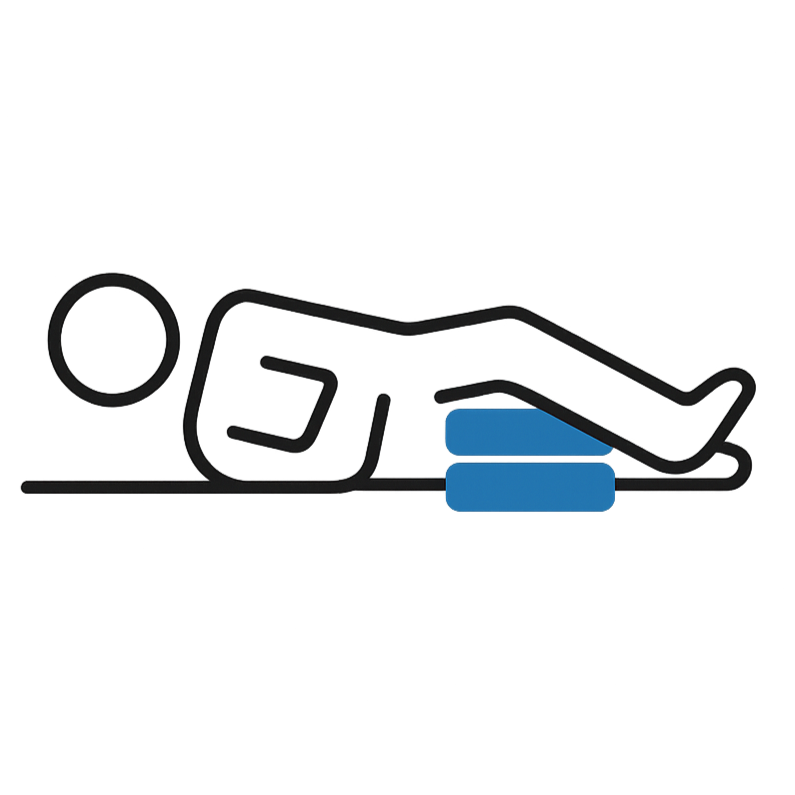
Always keep a pillow between your legs when lying in bed.
Get out of bed on the side of your operation.
Avoid lying on your operated side.
You may rest on your non‑operated side with two pillows between your legs—Tony or your physiotherapist will show you how to do this safely.
TWISTING
Don’t twist or swivel on your operated leg.
Take care when turning while standing or sitting.
Avoid twisting at the waist—it puts strain on your hip.
Always sit or stand with your feet pointing straight ahead.